
A guide to choosing purity over perfume
In a world where “natural” is often used loosely, essential oils are among the most commonly adulterated products in wellness. What appears pure may be diluted, synthetic, or chemically altered—quietly stripping away both therapeutic value and safety.
At MIRAYA BLENDS, purity is the foundation. Here’s how to recognize the difference.
1. The Price Feels Too Good to Be True
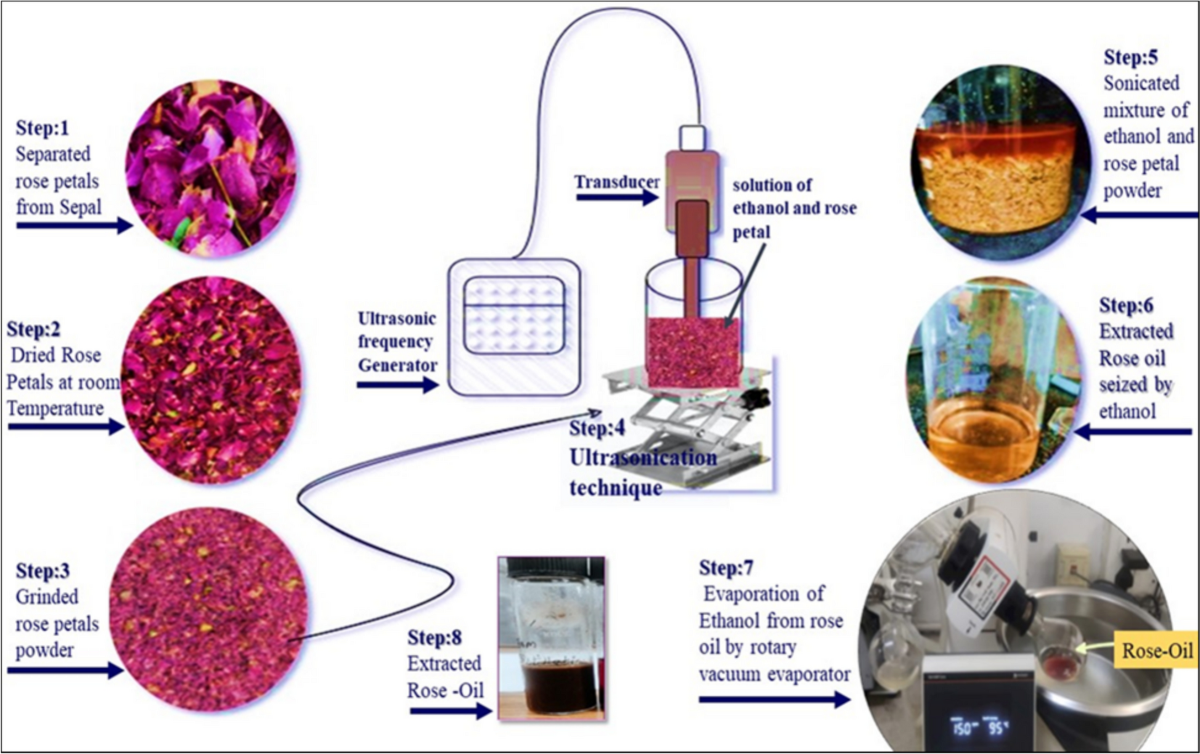
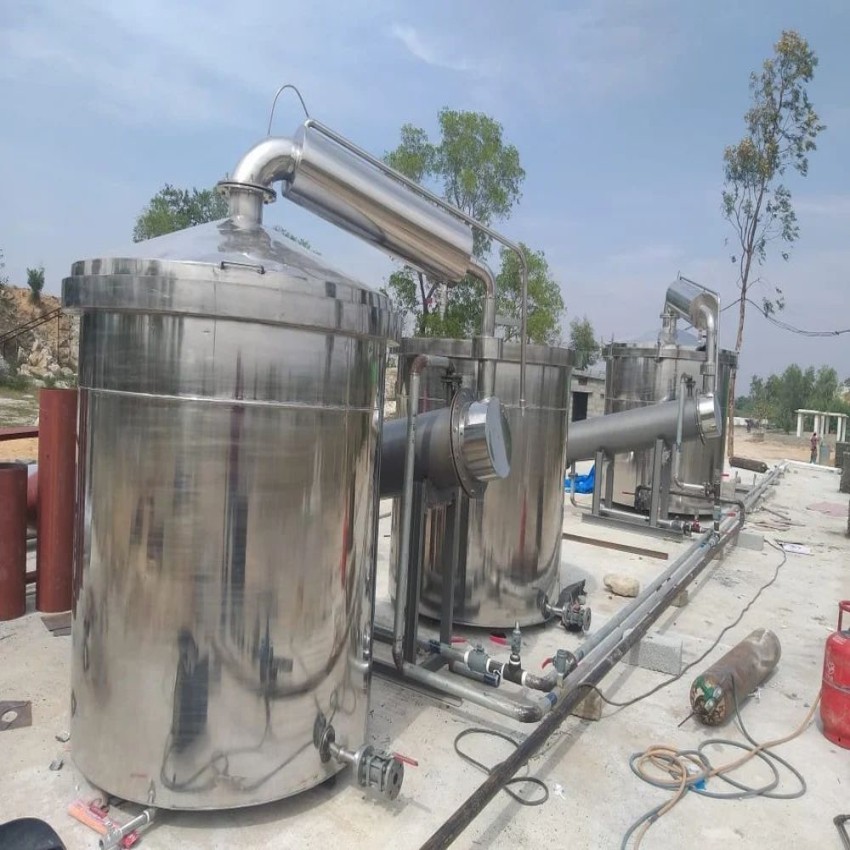 True essential oils require large quantities of plant material and careful extraction.
- 1 kg of Rose oil can require thousands of petals
- Sandalwood takes years to mature before distillation
- Slow steam distillation preserves therapeutic compounds
If an oil is unusually cheap, it’s likely diluted, synthetic, or blended.
2. The Label Lacks Transparency
A genuine essential oil label should clearly state:
- Botanical name (e.g. Lavandula angustifolia)
- Extraction method (steam distilled / cold pressed)
- Country of origin
- Batch or lot number
- CAS Number
If the label simply says “Lavender Oil” without details, it’s a red flag.
3. The Aroma Feels Flat or Artificial
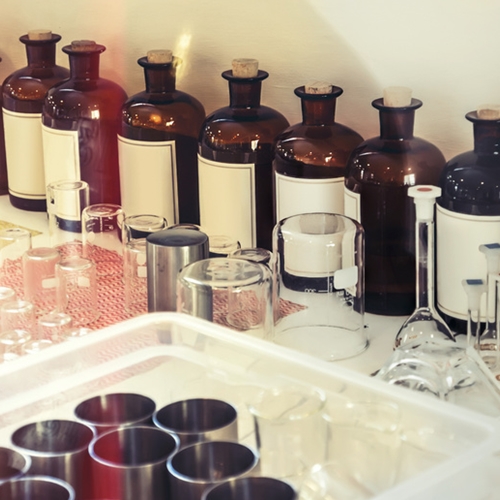

Pure essential oils have a layered scent profile:
- Top note (first impression)
- Middle note (body of aroma)
- Base note (depth and longevity)
Adulterated oils often smell:
- Overly strong and linear
- Artificially sweet or sharp
- Lacking evolution over time
4. The Paper Test (With Caution)
Place a drop on white paper and let it evaporate.
- Pure oils: evaporate cleanly (some heavier oils may leave slight tint)
- Adulterated oils: leave greasy residue (from carrier oils or synthetics)
⚠️ Note: This is not foolproof—some genuine oils (like Sandalwood) are naturally heavier.
5. Unrealistic Claims
Be cautious of oils that claim:
- “Cures diseases instantly”
- “Works like medicine”
- “100% therapeutic miracle”
Authentic aromatherapy supports wellbeing—it doesn’t replace medical treatment.
6. The Source Matters
Quality oils come from carefully sourced botanicals and ethical distillation.
For example, oils like Sandalwood or Vetiver require sustainable sourcing and patience in extraction, which directly impacts their authenticity and effectiveness.
7. No Batch Testing or Certifications
Trusted brands do:
- GC/MS testing (chemical profile analysis)
- Batch traceability
- Clear sourcing practices
Without this, purity cannot be guaranteed
The MIRAYA Standard
At MIRAYA BLENDS, every oil is crafted with intention:
- Pure botanical sourcing
- No synthetics or fillers
- Small-batch blending
- Designed for real therapeutic use—not just fragrance
Because true aromatherapy isn’t about scent alone—it’s about effect.